How do high pressures favour the formation of ammonia in dinitrogen reduction?
2 Answers

Haber process is used to make ammonia
Explanation:
The Haber process is the process in which ammonia is made by combining nitrogen and hydrogen with the use of an iron catalyst, high temperature and 200 atmospheric pressure.
 )
)
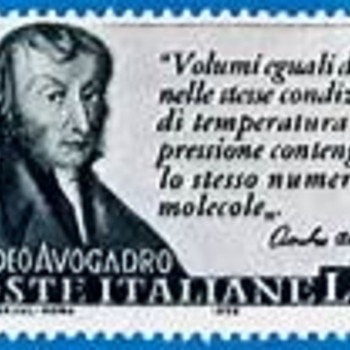
Pressure is used so that the equilibrium shifts to the side with fewer moles of gas, the ammonia.
A high temperature is used so that the rate of reactions is increased but the yield of ammonia is decreased. It is a reversible reaction so some of it becomes ammonia but it reverts back to nitrogen and hydrogen.
The nitrogen and hydrogen that have not reacted are reused.
Explanation:
High pressures favour the forward process, and typically the process is conducted under pressures of some
Since the reaction is exothermic, it is tempting to speculate that lower temperatures would favour the forward reaction. Unfortunately, at lower temperatures the rate of reaction is unacceptably low. A temperature of
Note that a solid catalyst (a closely guarded secret) would be present in the reaction, to allow the reactants to come to equilibrium quickly.
